Hotel Lobby AI Trend: The Orange Booth Clip, Explained
 AI Rap Video Team
Why the Hotel Lobby AI trend took over feeds, where the orange booth format comes from, and how to build your own two-photo clip without borrowing someone else’s face.
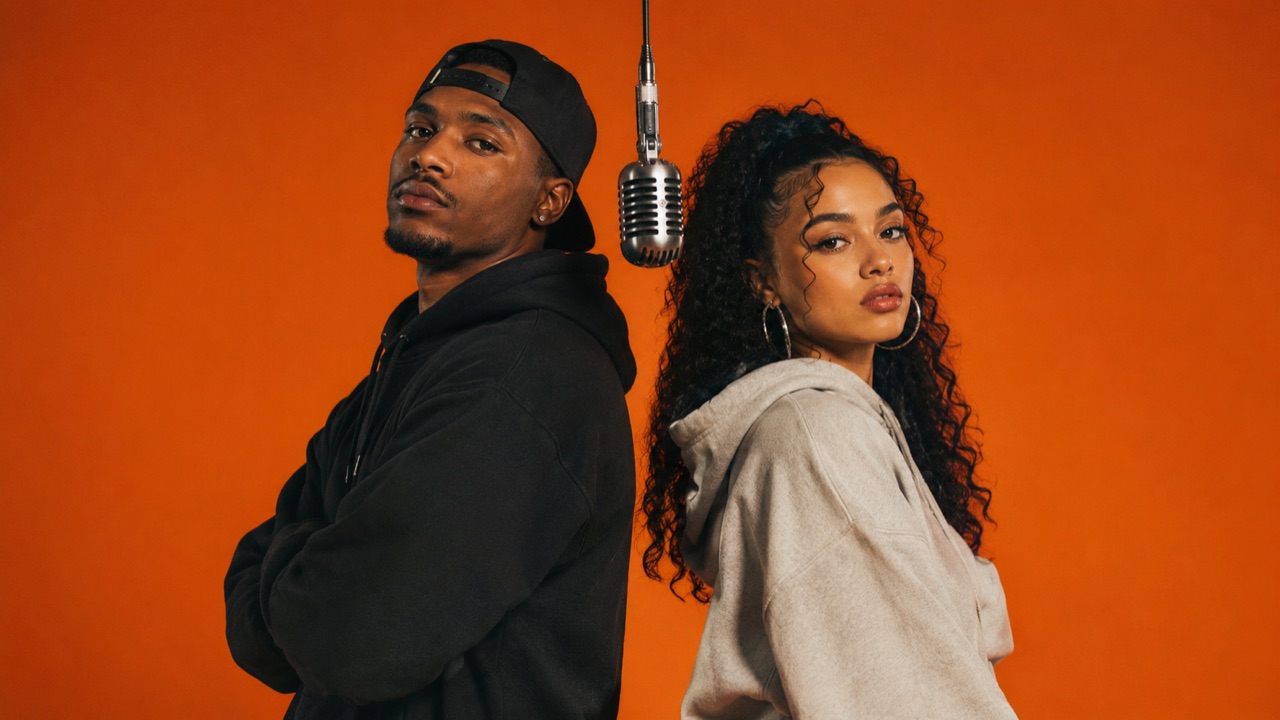
Every few months a visual format escapes music video and becomes a template. In late 2026 it was the orange booth: a saturated wall, one microphone hanging from the ceiling, two people trading verses in a locked shot. Search interest followed within days, and a small industry of lookalike sites appeared to meet it.
This guide explains what the Hotel Lobby AI trend actually is, why the format suits generated video so well, and how to make a clip that holds up — including the part most trend pages leave out, which is consent.
What the Hotel Lobby look is
Strip away the song and the format is four decisions:
- One backdrop. A seamless, saturated orange wall with no set dressing.
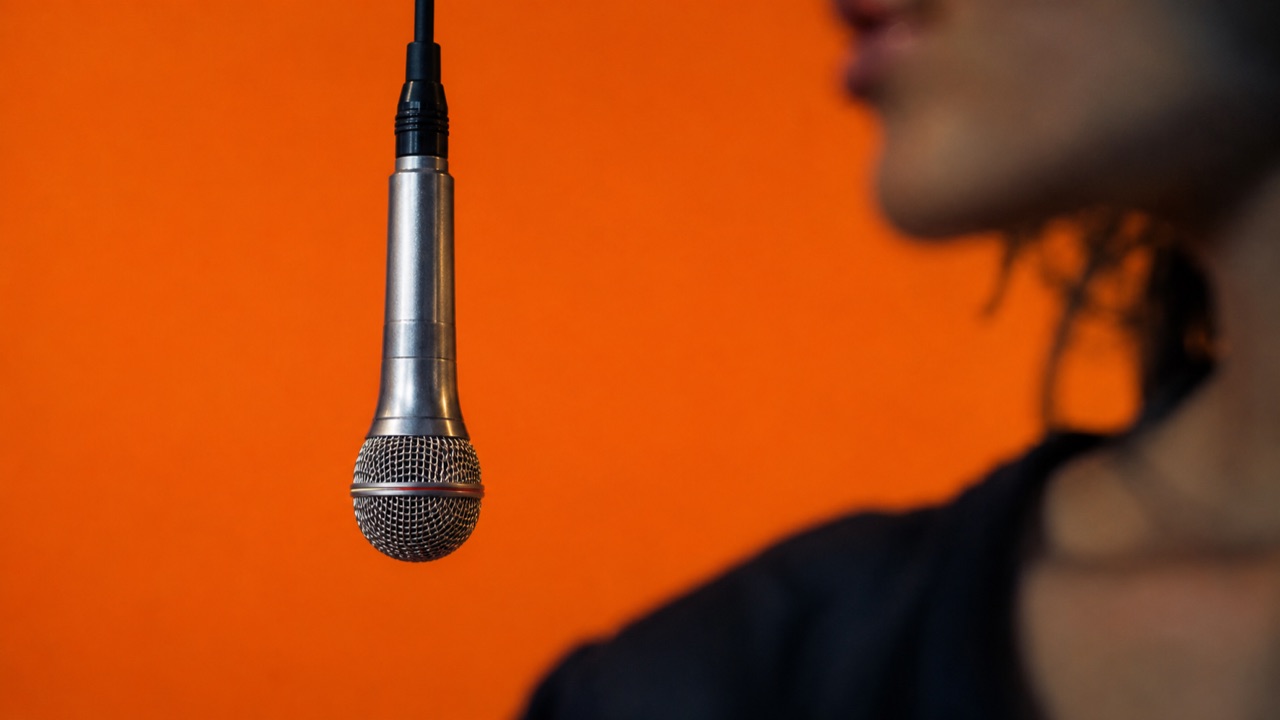
- One prop. A single microphone suspended from above, roughly at head height.
- Two performers. They stand at the microphone and trade lines, one leading while the other reacts.
- One camera. A locked medium two-shot, chest height, at most a slow push-in. No cuts.
That is the whole grammar. It is closer to a portrait session than to a music video, which is why it reads instantly even in a three-second feed scroll.
The reference point is a 2022 COLORS live-session performance of "Hotel Lobby" by Quavo and Takeoff. The orange booth, the hanging microphone and the two-shot staging all come from that session. When people search for "Hotel Lobby AI" or "Migos AI", they are describing the look, not asking for a specific artist.
Why the format suits AI video so well
Most AI video prompts fail because they ask for too much: a crowd, a camera move, a costume change and a story beat in five seconds. The model has to invent all of it, and the seams show.
The orange booth removes almost every variable. There is one light, one background, two people and one camera position. The model's job collapses to three things: keep both faces stable, keep the bodies plausible, and make the performance read. That is exactly the set of problems current video models handle best.
It also removes the hardest problem in AI video, which is continuity across a cut. A single locked shot has nothing to match. The clip begins and ends in the same frame, so a viewer never sees the model's weak spot.
There is a third reason, and it is commercial: the format is vertical by nature. Two people at chest height fit a 9:16 frame with room for captions. It was born as a live session and it travels as a short.
From live session to search term
The timeline matters if you are deciding whether to build for this trend or wait it out.
- 2022. The original performance airs. The orange booth becomes a recognisable image in rap.
- Mid-September 2026. AI versions start circulating. The format is easy to prompt, so it spreads through short-video feeds quickly.
- Late September to early October 2026. Exact-match domains appear. At least nine
rapduo.*domains were registered between 27 September and 3 October, plus a cluster ofairapvideo.*,airapvid.*andrapvideo.*names. Most are thin wrappers around the same model. - October 2026. Google autocomplete for "hotel lobby ai" fills in free, video, trend, generator and template. "Migos ai" fills in trend, video generator, song and meme. The query has moved from a format to a product search.
A trend page is worth building when the query has a stable visual answer. This one does: people already know what the clip should look like before they arrive. The page's job is to let them make one, not to explain what they want.
The part most trend pages skip: consent
The format has a real problem underneath it, and pretending otherwise is how sites get taken down.
The trend resurfaces a performance by an artist who was killed in 2022. Many of the clips circulating put real faces — artists, celebrities, strangers pulled from social media — into a scene they never agreed to be in. That is not a styling choice. It is a likeness problem, and in some jurisdictions a legal one.
AI Rap Video's position is simple:
- Upload your own photos, or photos of people who have agreed. Not public figures, not ex-partners, not classmates.
- No voice cloning. The studio generates pictures, not vocals.
- No real recording. Nothing from the original song is used.
- No affiliation. This is an independent tool. It is not connected to Migos, any artist, any label or the COLORS series.
- Label synthetic media when you post it. Most platforms now require it.
A fictional performance made from two consenting faces is a creative act. The same clip made from someone else's photo is a problem waiting to happen. The line is that simple, and a tool that does not say so is not doing its users a favour.
Build your own clip in four decisions
1. The two photos
One person per photo, face unobstructed, similar light. A front-facing portrait taken near a window beats a dramatic low-angle shot every time, because the model needs to see the whole face to keep it stable.
Avoid sunglasses, heavy filters, hats that hide the hairline and group photos. If the pair will wear very different outfits, say so in the prompt — similar wardrobes are the most common cause of face swapping between two performers.
2. The staging
Decide who leads. A duo where both people do the same thing at the same energy looks frozen. Give the lead the gesture and the second performer a reaction: a nod, a laugh, a hand on the chest.
Keep them side by side at the microphone. A three-quarter overlap looks good in a still and turns into merged shoulders in motion.
3. The prompt
Paste this and change the wardrobe and the reaction:
Use the two people in the uploaded photos as the only performers. A saturated
orange seamless backdrop with a single silver microphone hanging from the
ceiling between them. The two rappers stand at the microphone trading verses,
one gesturing while the other nods, both facing the camera. Static medium
two-shot at chest height with a very slow push-in. Keep the faces, hair,
outfits, skin tone and body proportions exactly as photographed. No text, no
watermark, no logo, no real person likeness, no extra people.
The negative sentence at the end is not decoration. "No text, no watermark, no logo, no real person likeness" is what keeps the render from inventing a shirt logo or drifting a face toward a famous one.
4. The length
Five seconds is a hook. Twelve seconds is a scene. If you plan to cut to a beat, render twelve and trim: you will want the extra frames when the bar lands earlier than you expected.
Score it: the clip is silent by design
The studio returns silent video. That is not a limitation to work around; it is the reason the clip is useful. Your track stays untouched, and you cut the picture to the music instead of hunting for a song that matches a generated beat.
Use audio you have the right to use. Trim the head and tail, put the loop point on a beat, and keep the first frame readable so the clip survives being cropped in a feed. A twelve-second clip scored over an eight-bar loop reads as a complete scene.
Variations worth trying
Once the basic two-shot works, change one variable at a time:
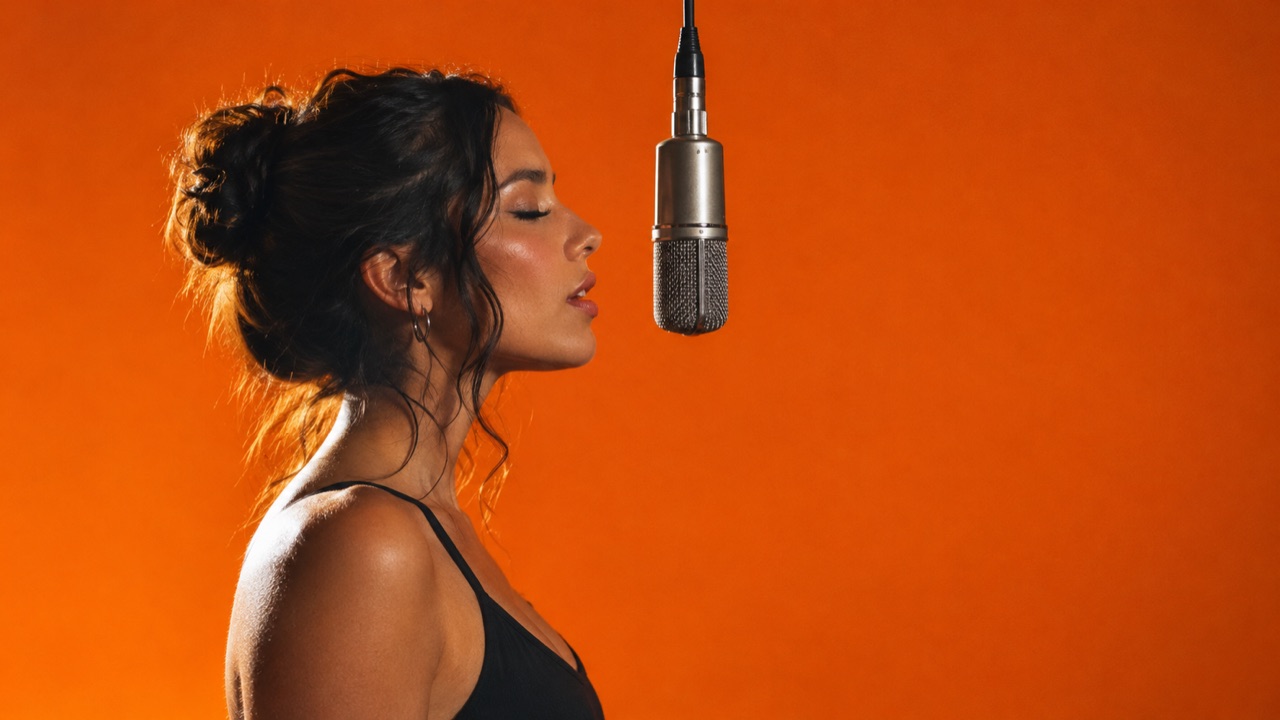
- Solo booth. One performer, same orange wall, same hanging microphone. Useful for a verse that does not need a second person.
- Crew frame. Keep the duo and add a row of out-of-focus silhouettes at the bottom edge. The crowd reads as energy without stealing focus.
- Colour swap. The format survives a backdrop change: deep red, cobalt, or a paper-white cyclorama. Keep the single light source and the hanging microphone, and the composition still reads.
- Pet duo. Two pets, one microphone. The format is absurd enough to work as a joke, and the composition rules are identical.
How to tell a trend page from a template farm
The search results for "hotel lobby ai" are already crowded with pages that were registered in the last three weeks. A few signals separate a tool from a landing page:
- A prompt you can read. If the page shows the actual prompt, the operators have used their own product.
- An honest audio claim. If it promises a generated song and a generated voice, check what the file actually contains.
- A consent line. Look for it near the upload form, not buried in the terms.
- Transparent pricing in credits and currency. "Free" with a card required is not free.
- A refund rule for failed renders. Generation fails; the question is who pays for it.
AI Rap Video renders a silent performance clip from one or two photos, at 5 to 12 seconds, in 720p or 1080p. The default 12-second 720p clip costs 35 credits, failed renders are refunded, and there is no watermark. If you want the format itself, start with the Hotel Lobby AI video page. If two performers are the whole point, the rap duo video guide covers blocking and identity in more depth.
The trend will move on. The skill — two clean photos, one clear lead, one camera move, your own track — will keep working on whatever backdrop comes next.
Related guides
How to Make an AI Rap Video From One Photo (2026 Guide)
The exact workflow for turning one portrait into a rap performance clip: choose the photo, pick a scene, write one action, render, review and export.
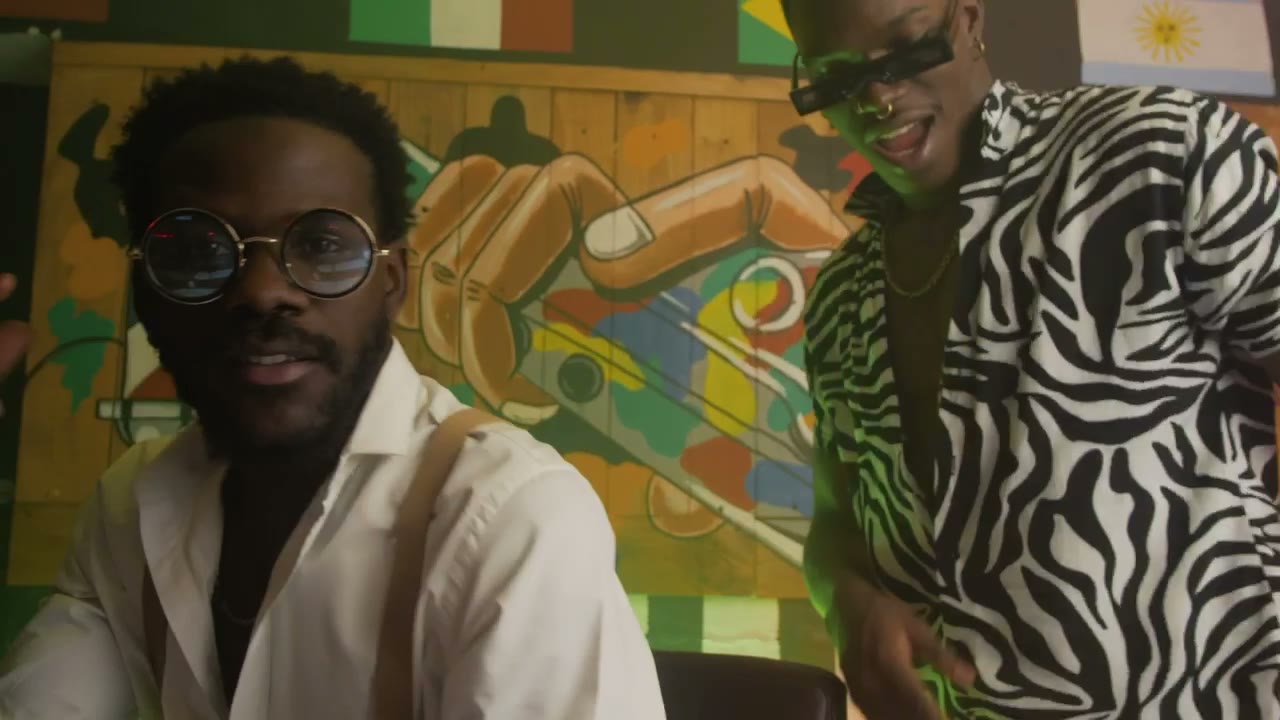
AI Rap Duo Video Guide: Two Faces, One Scene
How to generate a convincing rap duo video from two photos: matching light, blocking, who leads, how to avoid face swaps and how to cut the result.
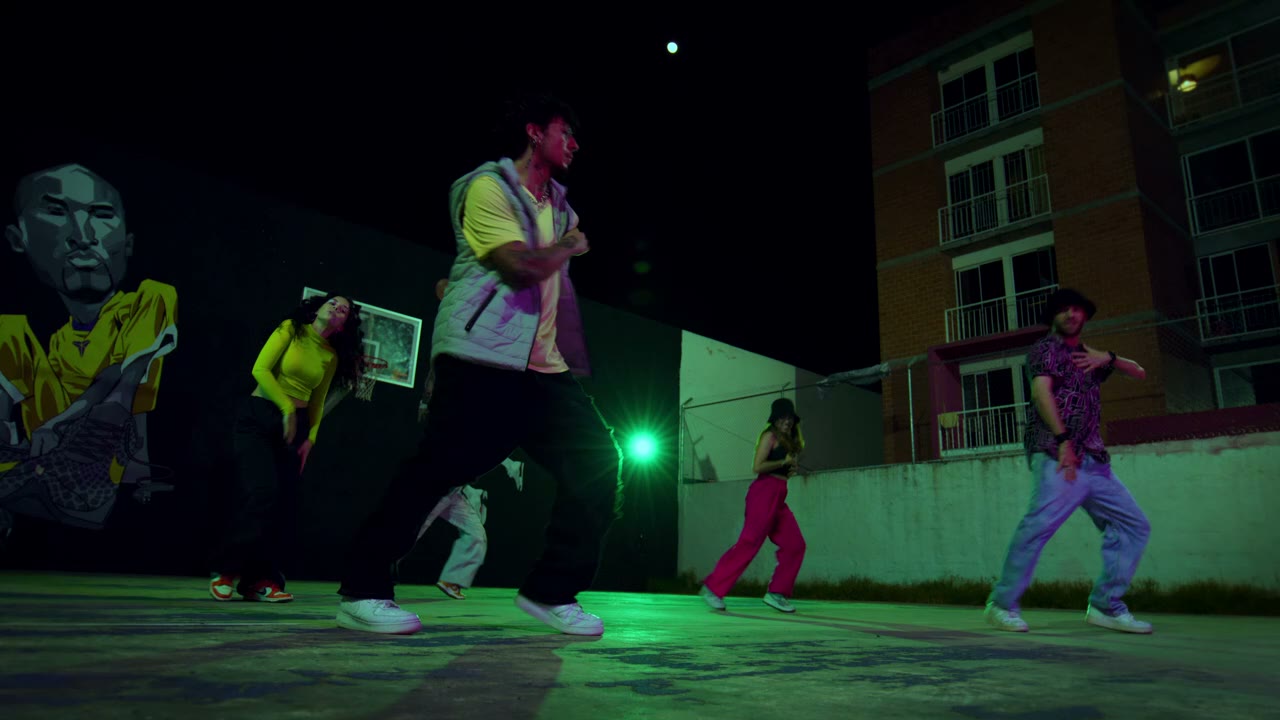
12 AI Rap Video Prompts That Actually Work
Twelve copy-paste prompts for rap performance clips: club stage, booth, cypher, retro sidewalk, drill rooftop, lyric bed and more, with the guardrails that keep faces stable.