18 Rap Video Ideas You Can Generate This Week
 AI Rap Video Team
Eighteen concrete rap video concepts, grouped by effort and budget, each with the scene, camera move and prompt angle you need to start.
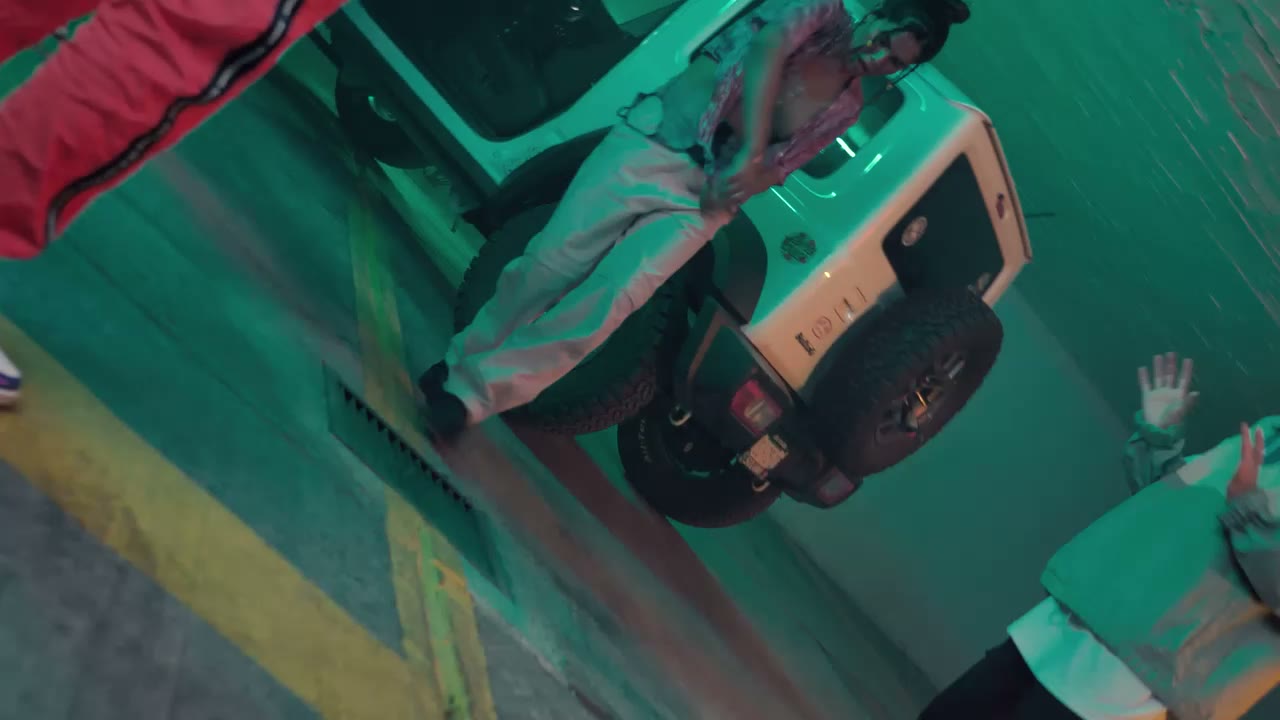
A blank prompt is the most expensive thing in AI video. These eighteen concepts are starting points, not finished treatments: each one names a scene, a camera behaviour and the reason it works. Pick three, render short tests, and finish the one that fits the record.
Low effort, one render
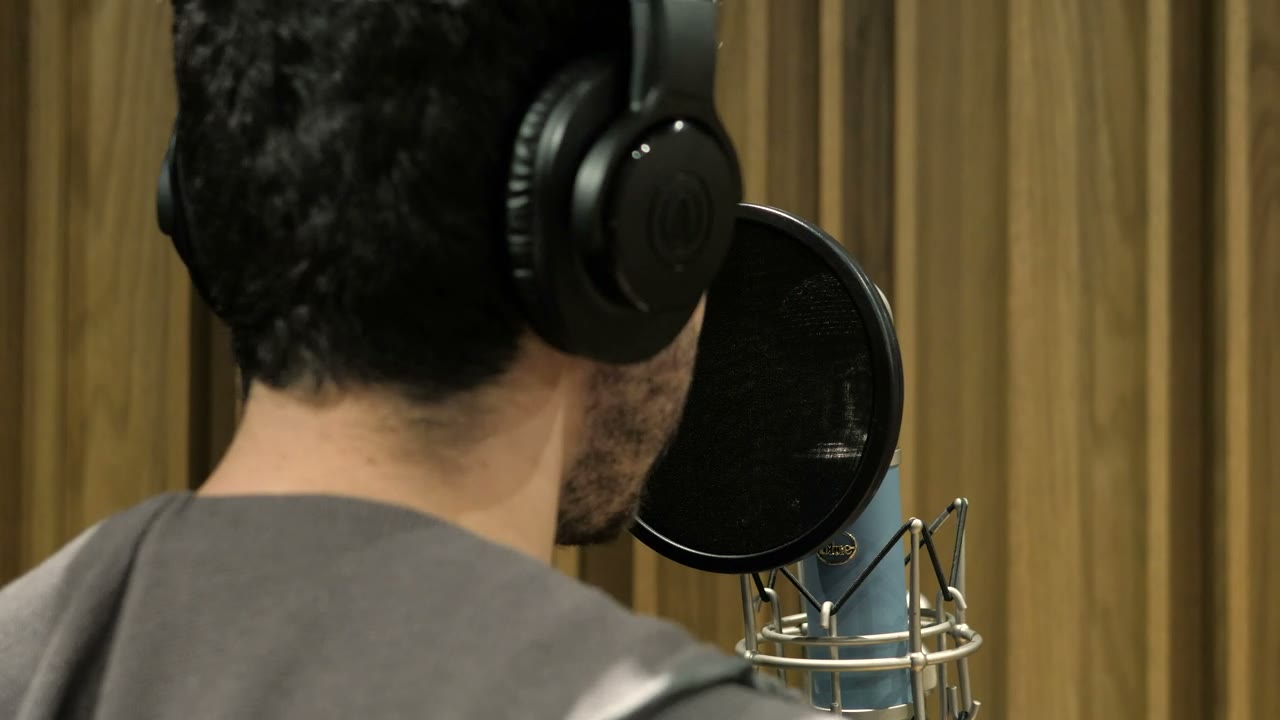
1. The booth close-up. One performer, one microphone, warm key and cold rim. The most reliable identity shot, and the best test of a new photo.
2. The slow push. The same booth, camera pushing from medium to close over eight seconds. Use it as a hook shot before a cut.
3. The silhouette reveal. A dark stage, a single backlight, the performer stepping into the light. Strong first frame, no crowd required.
4. The tunnel walk. A wet pedestrian tunnel, repeating lights, a backward tracking camera. Motion without a complex set.
5. The night-drive back seat. City lights streaking past, cool interior light. A performance shot that implies a whole night.
Low effort, two renders
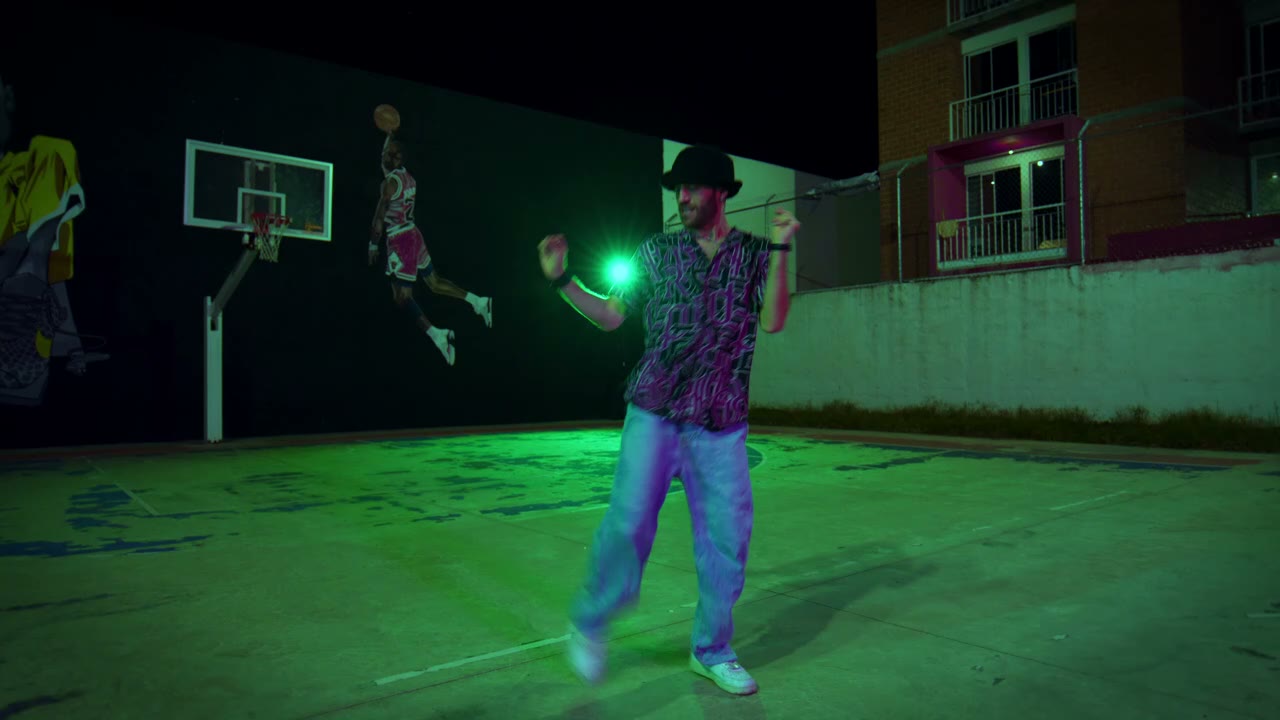
6. The duo trade-off. Two photos, side-by-side stage blocking, one named lead and one reaction. Cut the two solo angles together for a conversation.
7. The before-and-after. Open on the source photo as a still, cut to the generated performance. The reveal is the idea, and it doubles as transparent disclosure.
8. The lyric bed. A dim room framed to one side, lyrics on the other. Loop the performance behind the text for the full track.
9. The rooftop cypher. One lead in a circle of silhouettes. Generate a second angle for the reaction shot.
10. The golden-era sidewalk. Two performers and a boombox, warm grain, a slow zoom. Nostalgia without a period shoot.
Medium effort, three to five renders
11. The three-style cut. The same photo in three palettes — warm basement, cold rooftop, chrome corridor — cut on the beat. The contrast is the edit.
12. The crew recap. One eight-second clip per member, same scene and light, cut on the vocal. A cypher recap without a camera crew.
13. The day-in-the-life sequence. Bedroom, street, stage, back seat. Four scenes, one performer, one wardrobe. The sequence implies a narrative the clips do not have to act.
14. The beat-switch visual. Two halves of a track, two palettes, one hard cut at the switch. Generate each half separately so the change is deliberate.
15. The press-kit trio. Studio wide, studio close, studio detail. Clean background, no text, reusable for a year of press.
Higher effort, a planned sequence
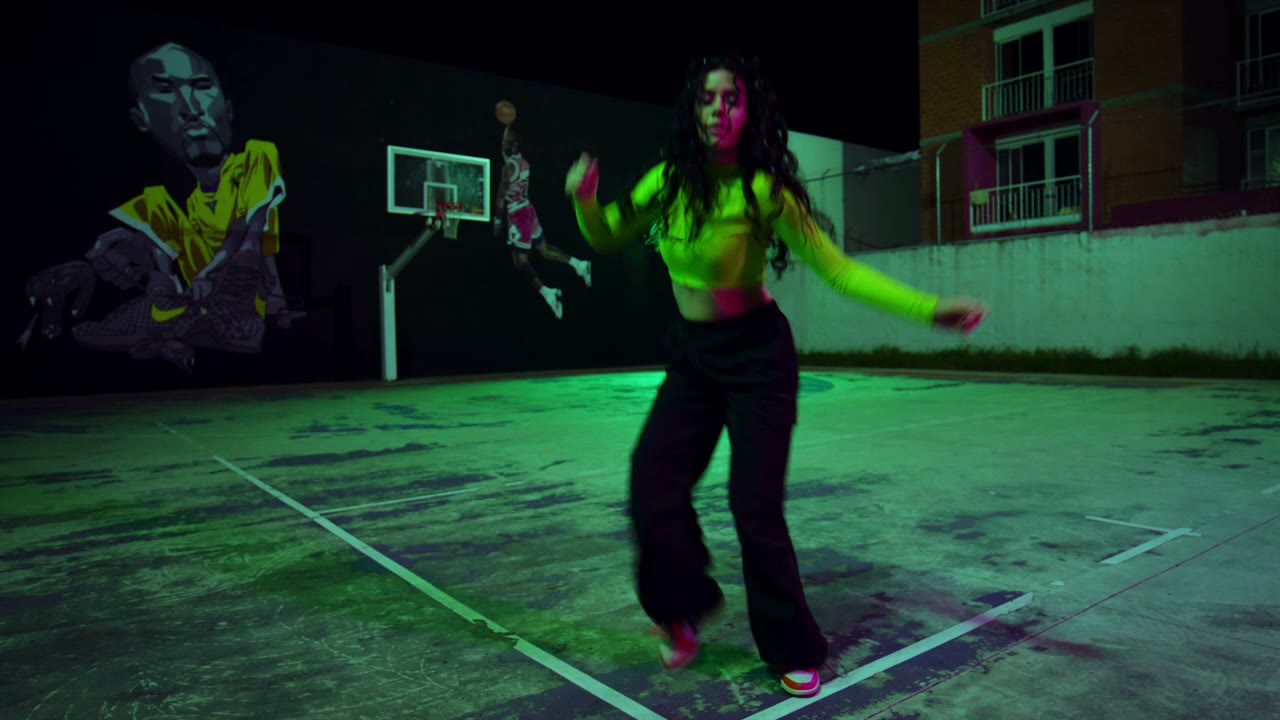
16. The short film. Five shots that imply a story: arrival, performance, interruption, reaction, departure. Each shot is one render; the story lives in the edit.
17. The fake tour recap. Different cities implied by different light and architecture, the same performer in each. Six clips, one per "city", cut to a live recording.
18. The visual album teaser. One signature shot per track, eight seconds each, cut to a medley. Expensive, and the most reusable asset a release cycle can have.
How to choose
Match the concept to the record's energy, then to your budget, then to the platform. A reflective track rarely wants a tunnel walk; a club record rarely wants a bedroom. The scene is an argument about the song, and the wrong argument is worse than a plain one.
For a first week, pick one concept from the low-effort list, render it at 480p for five seconds, and judge the photo and the scene. If it holds, finish it and post it. The second concept is easier once the first one exists.
What makes an idea work
Three properties show up in every concept that survives contact with the model:
- One subject. One performer, or two with a clear lead. Crowds are silhouettes.
- One action. A step, a turn, a lean into a microphone. Not a story.
- One camera behaviour. A push, a track, a slow orbit. Not a shot list.
If an idea needs more than that, it is a sequence, and a sequence is several renders. That is fine — just plan it as several renders from the start.
Ideas that look good on paper and fail on screen
Some concepts are attractive because they promise a lot of story for one render. They usually fail, and it is cheaper to know why before you try.
The crowd-surf epic. A hundred people, hands in the air, the performer at the centre. The model cannot keep a hundred identities separate; the crowd turns into a texture, and the performer gets lost in it. Keep crowds as silhouettes and keep them below the shoulders.
The dance number. Choreography needs precise limb continuity across frames. Generated bodies drift, feet slide and arms swap. If the idea depends on a specific move, it needs a real dancer and a real camera.
The outfit change. One render, two looks, a cut hidden in a spin. The spin becomes a smear, and the two halves rarely match in light. Render two clips and cut between them.
The product reveal. A phone, a bottle, a chain with a readable logo. Text and logos degrade, and a distorted brand is worse than no brand. Shoot the product or leave it out.
The story with dialogue. Two performers talking, then reacting, then walking away. That is three shots and a sync pass, not one prompt. Plan it as a sequence or choose a performance concept instead.
None of these are impossible. They are expensive, and they belong later in the learning curve, after the one-subject, one-action concepts are reliable.
A note on originality
Do not build an idea from a specific artist's video, a specific film scene or a copyrighted image. Build it from a place, a light and a behaviour. The model is good at places and light; it is bad at reproducing a specific frame, and the attempt usually produces a worse version of both.
For prompts to execute these ideas, read 12 AI rap video prompts. For what each render costs, see what an AI rap video costs.
Related guides
How to Make an AI Rap Video From One Photo (2026 Guide)
The exact workflow for turning one portrait into a rap performance clip: choose the photo, pick a scene, write one action, render, review and export.
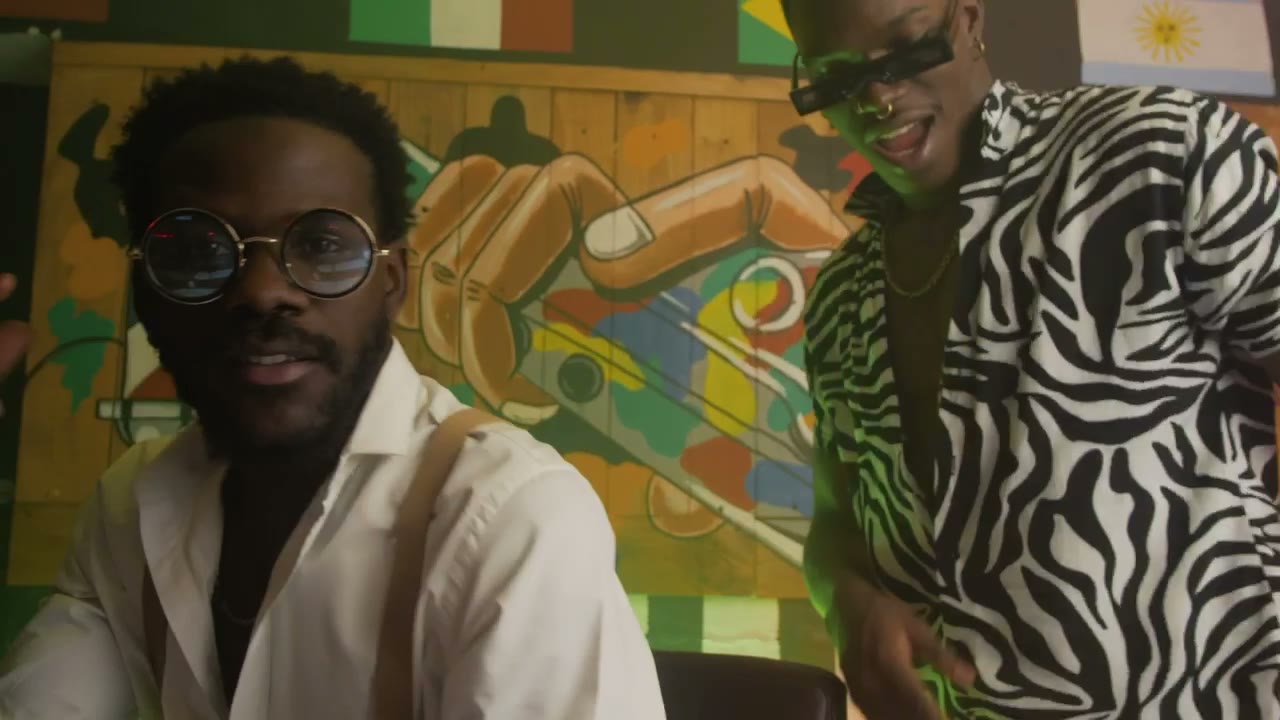
AI Rap Duo Video Guide: Two Faces, One Scene
How to generate a convincing rap duo video from two photos: matching light, blocking, who leads, how to avoid face swaps and how to cut the result.
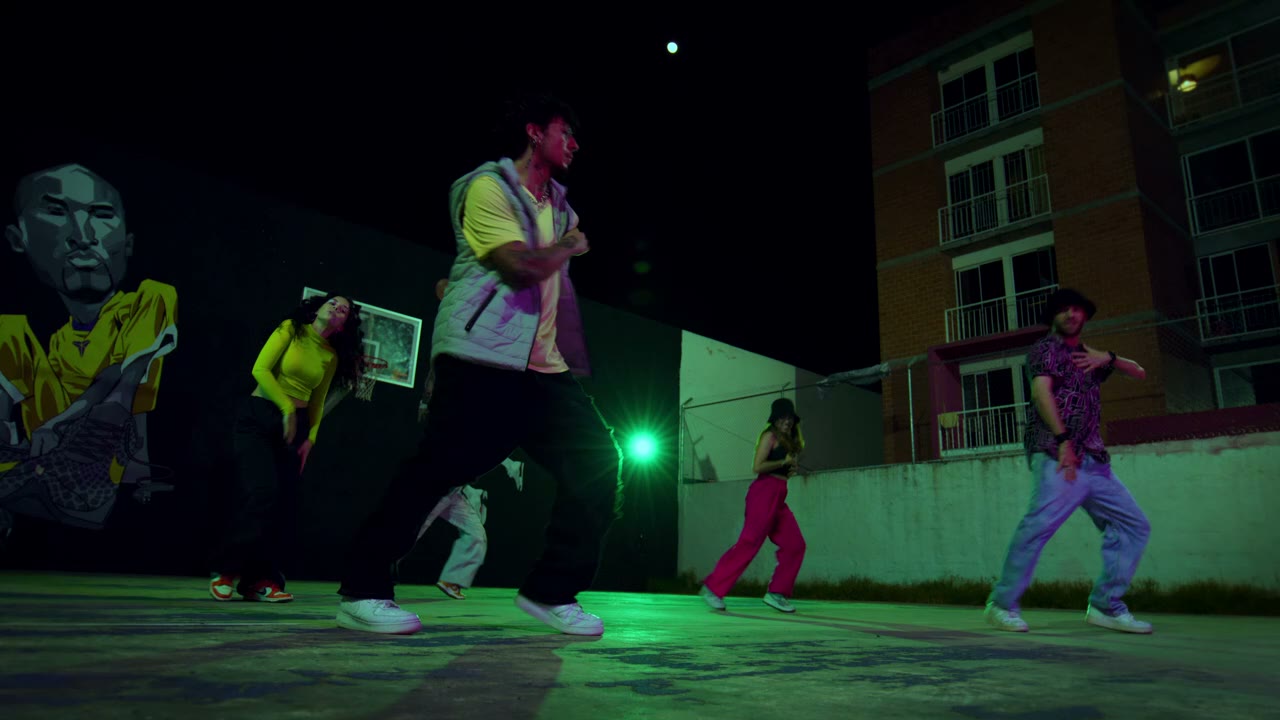
12 AI Rap Video Prompts That Actually Work
Twelve copy-paste prompts for rap performance clips: club stage, booth, cypher, retro sidewalk, drill rooftop, lyric bed and more, with the guardrails that keep faces stable.